
Choosing the Right Cement for High-Durability Structures
16.12.2025
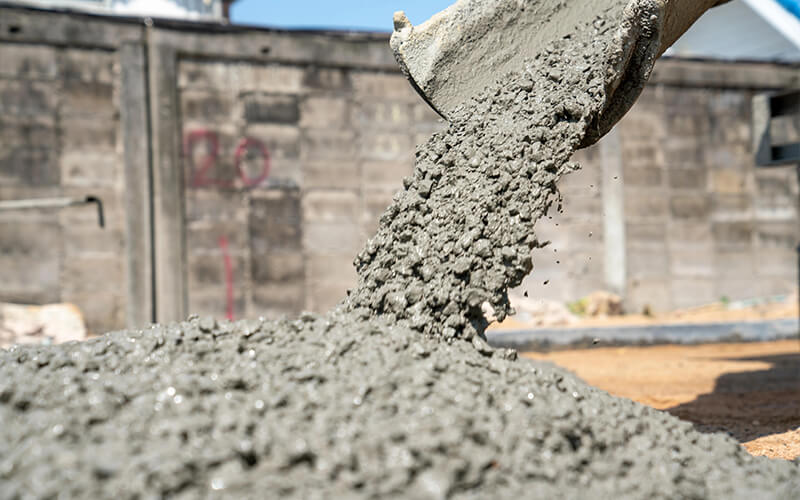
High-durability structures are designed to perform reliably over long periods under demanding conditions. Bridges, industrial facilities, high-rise buildings, marine structures, and infrastructure projects all require materials that can withstand mechanical stress, environmental exposure, and time. Among these materials, cement plays a central role in determining how durable and resilient a structure will be throughout its service life.
Selecting the right cement for high-durability structures is not simply a matter of meeting minimum strength requirements. It involves understanding how cement characteristics influence concrete behavior, long-term performance, and resistance to deterioration. A well-informed cement selection strategy significantly reduces maintenance needs, extends service life, and protects the overall investment.
Understanding Durability in Concrete Structures
Durability refers to a structure’s ability to resist physical, chemical, and environmental damage over time. Concrete durability depends on its resistance to cracking, permeability, chemical attack, and reinforcement corrosion. Cement quality and composition directly influence all of these factors.
High-durability structures are often exposed to harsh conditions such as moisture, temperature fluctuations, chemicals, or heavy loads. Choosing cement that supports dense, low-permeability concrete is essential for minimizing damage and preserving structural integrity in these environments.
Evaluating Exposure Conditions Before Cement Selection
The first step in choosing the right cement is assessing the exposure conditions the structure will face. Environmental factors such as humidity, freeze-thaw cycles, chloride exposure, and chemical contact must be carefully evaluated during the design phase.
For example, structures in coastal or industrial environments require cement that enhances resistance to corrosion and chemical attack. Ignoring these exposure factors can lead to premature deterioration, even if the concrete initially meets strength requirements.
Cement Composition and Its Impact on Durability
The chemical composition of cement influences hydration, strength development, and resistance to aggressive agents. Properly formulated cement contributes to a dense microstructure that limits water and chemical penetration.
Dense concrete protects reinforcement from corrosion and reduces the risk of internal damage. Selecting cement with stable and controlled composition helps ensure predictable performance and long-term durability across all structural elements.
Strength Development and Long-Term Performance
While early strength is important for construction efficiency, long-term strength development is critical for durability. Cement that supports gradual and sustained strength gain helps reduce internal stresses and cracking.
High-durability structures benefit from cement that balances early performance with long-term stability. This balance ensures that the structure remains strong and resilient decades after construction is completed.
Permeability and Resistance to Moisture
One of the key factors affecting durability is concrete permeability. Highly permeable concrete allows water, chlorides, and chemicals to penetrate, accelerating deterioration and reinforcement corrosion.
Choosing cement that contributes to low-permeability concrete is essential for high-durability applications. High-quality cement helps create a dense matrix that limits ingress of harmful substances, significantly improving long-term performance.
Workability and Proper Compaction
Durability is not only determined by material properties but also by how concrete is placed and compacted. Cement quality affects workability, which in turn influences compaction and finishing.
Concrete that is easy to place and compact reduces the risk of voids, honeycombing, and segregation. Proper compaction ensures uniform density, which is essential for achieving the durability expected from high-performance structures.
Compatibility With Construction Methods
High-durability projects often involve complex construction techniques such as pumping, slip-forming, or large-volume pours. Cement selection must be compatible with these methods to avoid performance issues during placement.
Cement with predictable hydration behavior supports smooth operations and consistent results. This compatibility minimizes construction defects that could compromise durability later in the structure’s life.
Reducing Cracking and Shrinkage Risks
Cracking is one of the most common threats to durability. Once cracks form, they provide pathways for moisture and aggressive agents to enter the concrete. Cement selection plays a key role in controlling shrinkage and crack formation.
Choosing cement that supports controlled hydration and reduced shrinkage helps maintain structural integrity. When combined with proper curing practices, the right cement significantly lowers the risk of early-age and long-term cracking.
Quality Consistency and Supply Reliability
Consistency in cement quality is especially important for large or long-term durability-focused projects. Variations in cement performance can lead to uneven concrete properties across different sections of a structure.
Working with reliable suppliers who maintain strict quality control ensures uniform performance from batch to batch. Consistent cement quality simplifies mix design management and supports predictable durability outcomes.
Lifecycle Cost Considerations
High-durability structures are designed with long service lives in mind, making lifecycle cost a critical factor. While premium cement options may have a higher initial cost, they often result in lower maintenance and repair expenses over time.
Investing in the right cement reduces the likelihood of premature deterioration, structural repairs, and operational disruptions. From a long-term perspective, quality cement selection is a cost-effective strategy.
Sustainability and Long-Term Value
Durability and sustainability are closely connected. Structures that last longer require fewer resources for repair or replacement, reducing environmental impact. Cement selection strategies should support both durability and sustainability goals.
High-performing cement enables optimized concrete mixes that achieve durability with efficient material use. This approach supports responsible construction while delivering long-term value to owners and communities.
Conclusion: Cement as the Foundation of Durability
Choosing the right cement is one of the most important decisions in designing and constructing high-durability structures. Cement influences strength, permeability, cracking behavior, and resistance to environmental stress, all of which determine how well a structure performs over time.
By carefully evaluating exposure conditions, performance requirements, and long-term objectives, construction professionals can select cement that delivers lasting durability. The right choice not only protects the structure but also ensures safety, reliability, and value for decades to come.