
Cement Selection Strategies for High-Strength Concrete Structures
17.03.2026
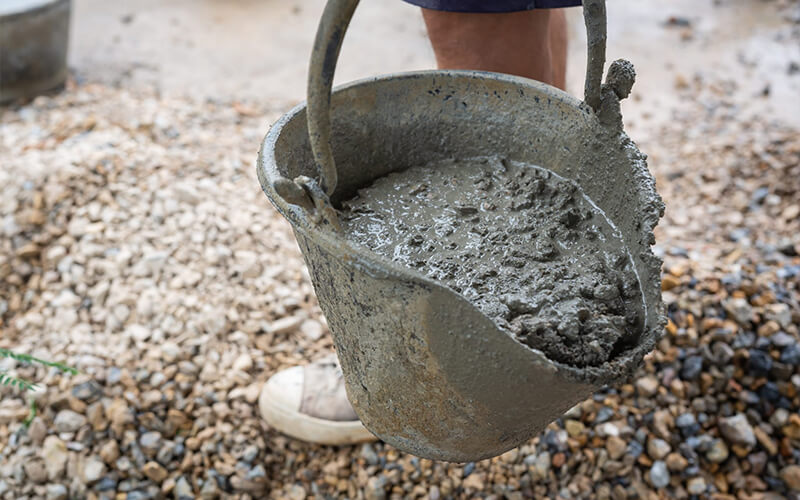
High-strength concrete structures are designed to تحمل significant loads while maintaining durability and long-term performance. From high-rise buildings and bridges to industrial facilities and infrastructure projects, these structures rely heavily on the quality and selection of cement. Choosing the right cement is not just a material decision but a critical engineering strategy that directly affects strength, durability, and structural safety.
In modern construction, selecting the appropriate cement requires a deep understanding of project requirements, environmental conditions, and performance expectations. High-strength concrete demands materials that can deliver consistent results under demanding conditions. In this article, we will explore effective cement selection strategies that ensure optimal performance in high-strength concrete structures.
Understanding High-Strength Concrete Requirements
Before selecting cement, it is essential to define what high-strength concrete requires. Typically, high-strength concrete is designed to achieve compressive strength well above standard levels, often exceeding 40 MPa or more depending on the application. This requires a carefully balanced mix design where cement plays a central role.
Using high-quality cement ensures that the concrete develops the necessary strength while maintaining durability. The selected cement must support both early strength gain and long-term performance without compromising workability.
Selecting the Right Cement Type
Different types of cement are designed for specific applications, and selecting the right type is crucial for achieving high strength. Ordinary Portland Cement (OPC) is commonly used, but in high-strength applications, blended cements or special formulations may offer additional advantages such as improved durability and reduced heat of hydration.
The choice of cement type should align with project requirements, including load conditions, exposure environment, and construction methods. Using the wrong type of cement can limit strength development and negatively affect structural performance.
Prioritizing High Compressive Strength
One of the most important criteria in cement selection is its ability to develop high compressive strength. High-strength cement contributes directly to the load-bearing capacity of concrete, allowing structures to safely تحمل heavy loads.
Cement with proven strength performance ensures that the concrete can meet design specifications without requiring excessive reinforcement or larger structural elements. This leads to more efficient and cost-effective construction.
Evaluating Fineness and Reactivity
Fineness is a key factor that influences how quickly cement reacts with water. Finer cement particles increase the rate of hydration, resulting in faster strength development. This is particularly important in high-strength concrete where early strength gain may be required.
However, excessive fineness can increase water demand and shrinkage. Therefore, selecting cement with optimal fineness ensures a balance between strength development and long-term durability.
Controlling the Water-Cement Ratio
The water-cement ratio is critical in high-strength concrete design. Lower water content generally leads to higher strength, but it also requires cement that can perform effectively under such conditions. High-quality cement maintains workability even at low water levels, enabling dense and मजबूत concrete.
Choosing cement that supports low water-cement ratios helps reduce porosity and improves durability. This is essential for maintaining structural integrity over time.
Considering Durability and Environmental Exposure
High-strength structures are often exposed to harsh environmental conditions such as moisture, chemicals, and temperature fluctuations. Cement selection must take these factors into account to ensure long-term durability.
Cement with enhanced مقاومت to environmental عوامل helps protect the structure from deterioration. This includes resistance to sulfate attack, chloride penetration, and freeze-thaw cycles, all of which can impact structural performance.
Ensuring Compatibility with Admixtures
Modern high-strength concrete often incorporates chemical admixtures such as superplasticizers to improve workability and strength. It is essential to select cement that is compatible with these admixtures to achieve the desired performance.
Incompatibility can lead to issues such as delayed setting, reduced strength, or poor workability. Testing cement-admixture combinations before construction ensures optimal results.
Managing Heat of Hydration
In high-strength concrete, especially in large structural elements, heat generated during hydration can lead to thermal cracking. Selecting cement with controlled heat of hydration helps minimize this risk and maintain structural stability.
Proper temperature control during curing is also important to ensure uniform strength development. Cement selection should consider both performance and thermal behavior.
Quality Control and Certification
Reliable cement selection requires assurance of quality and consistency. Choosing cement from manufacturers that follow strict quality control processes ensures predictable performance. Certified cement that meets international standards provides confidence in its strength and durability.
Regular testing and verification of cement properties help identify potential issues before they affect the structure. Quality control is a fundamental part of any high-strength concrete strategy.
Optimizing Cost and Performance Balance
While high-performance cement may have a higher initial cost, it often leads to long-term savings by reducing maintenance, repair, and failure risks. Selecting the right cement allows for optimized structural design, potentially reducing material usage and overall project costs.
Balancing cost and performance is essential for achieving both economic and technical efficiency. Investing in quality materials ensures better outcomes and long-term reliability.
Conclusion
Cement selection is a critical step in the design and construction of high-strength concrete structures. By considering factors such as compressive strength, fineness, durability, and compatibility, engineers can ensure optimal performance and structural safety.
Careful selection and proper use of cement not only enhance the strength of concrete but also contribute to the longevity and stability of the entire structure. Making informed decisions at the material level is key to achieving successful and sustainable construction projects.